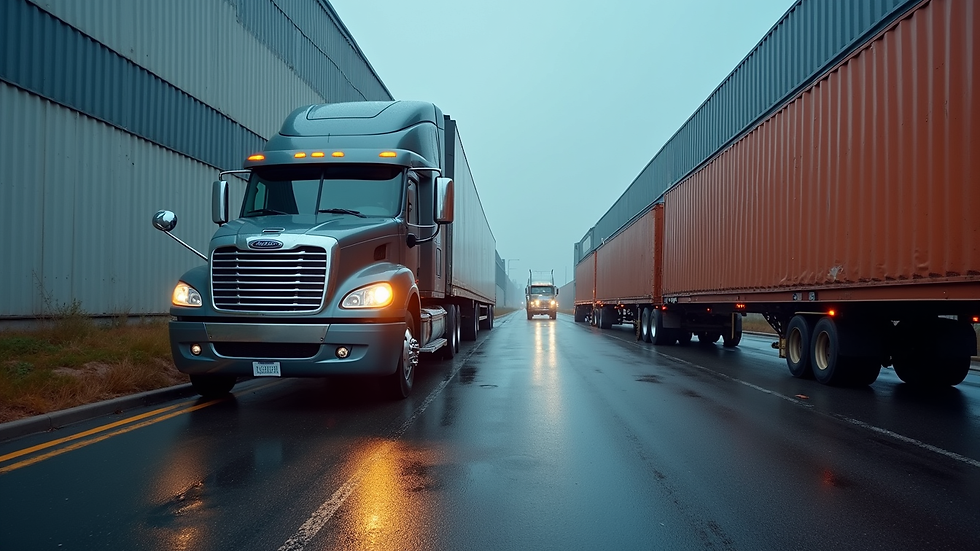
Top Trends in Trucking and Logistics for 2024

The trucking and logistics industry is on the brink of significant transformation as we head into 2024. With advancements in technology, shifts in consumer behavior, and evolving regulatory landscapes, the sector is adapting to meet new challenges and opportunities. In this blog post, we will explore the top trends shaping the future of trucking and logistics, providing insights that can help businesses stay ahead of the curve.
The Rise of Electric Trucks
One of the most significant trends in trucking is the increasing adoption of electric vehicles (EVs). As concerns about climate change and air quality grow, many companies are investing in electric trucks to reduce their carbon footprint.
Key Benefits of Electric Trucks
Lower Operating Costs: Electric trucks typically have lower fuel and maintenance costs compared to traditional diesel trucks.
Regulatory Compliance: Many regions are implementing stricter emissions regulations, making electric trucks a viable solution for compliance.
Corporate Responsibility: Companies that adopt electric vehicles can enhance their brand image by demonstrating a commitment to sustainability.
Examples of Electric Truck Adoption
Several major companies are leading the charge in electric trucking. For instance, Tesla has introduced the Tesla Semi, which promises to revolutionize freight transport with its impressive range and performance. Similarly, Volvo and Daimler are also developing electric models that cater to various logistics needs.

Automation and Robotics in Warehousing
Automation is another trend that is reshaping the logistics landscape. With the rise of e-commerce, warehouses are under pressure to improve efficiency and speed.
Benefits of Automation
Increased Efficiency: Automated systems can handle repetitive tasks faster and with fewer errors than human workers.
Cost Savings: While the initial investment in automation can be high, the long-term savings in labor costs can be substantial.
Enhanced Safety: Robots can perform dangerous tasks, reducing the risk of workplace injuries.
Real-World Applications
Companies like Amazon have already implemented robotics in their fulfillment centers. Their use of Kiva robots allows for faster order processing and improved inventory management. As technology continues to advance, we can expect more logistics companies to adopt similar solutions.
Data-Driven Decision Making
The use of data analytics in trucking and logistics is becoming increasingly important. Companies are leveraging big data to make informed decisions that enhance operational efficiency.
How Data Analytics Helps
Route Optimization: By analyzing traffic patterns and weather conditions, logistics companies can optimize delivery routes, reducing fuel consumption and delivery times.
Predictive Maintenance: Data analytics can help predict when a vehicle is likely to need maintenance, preventing costly breakdowns and downtime.
Customer Insights: Understanding customer behavior through data can help companies tailor their services to meet demand more effectively.
Case Studies
For example, UPS uses advanced analytics to optimize its delivery routes, saving millions of dollars in fuel costs annually. By adopting similar strategies, other companies can improve their bottom line while enhancing customer satisfaction.
The Impact of E-Commerce on Logistics
The rapid growth of e-commerce has fundamentally changed the logistics landscape. Consumers now expect faster delivery times and greater transparency in the shipping process.
Adapting to E-Commerce Demands
Last-Mile Delivery Solutions: Companies are investing in innovative last-mile delivery solutions, such as drones and autonomous vehicles, to meet consumer expectations for quick deliveries.
Flexible Warehousing: The rise of e-commerce has led to a demand for more flexible warehousing solutions, allowing companies to adapt to fluctuating inventory needs.
Examples of E-Commerce Adaptation
Walmart has been expanding its logistics network to support its e-commerce growth, including the use of automated fulfillment centers and partnerships with third-party delivery services. This adaptability is crucial for staying competitive in the evolving market.
Sustainability and Green Logistics
Sustainability is no longer just a buzzword; it is a critical focus for the trucking and logistics industry. Companies are increasingly adopting green practices to reduce their environmental impact.
Strategies for Sustainable Logistics
Alternative Fuels: The use of biodiesel, hydrogen, and other alternative fuels is gaining traction as companies seek to reduce their reliance on fossil fuels.
Eco-Friendly Packaging: Many logistics companies are exploring sustainable packaging options to minimize waste and improve recyclability.
Carbon Offsetting: Some companies are investing in carbon offset programs to balance out their emissions.
Leading the Way in Sustainability
DHL has committed to achieving zero emissions by 2050, implementing various initiatives to reduce its carbon footprint. By following suit, other companies can contribute to a more sustainable future while appealing to environmentally conscious consumers.
The Role of Blockchain Technology
Blockchain technology is making waves in the logistics sector by enhancing transparency and security in supply chain management.
Benefits of Blockchain in Logistics
Improved Traceability: Blockchain allows for real-time tracking of shipments, providing stakeholders with visibility into the supply chain.
Enhanced Security: The decentralized nature of blockchain makes it more secure against fraud and cyberattacks.
Streamlined Processes: Smart contracts can automate various logistics processes, reducing paperwork and improving efficiency.
Real-World Implementations
Companies like IBM and Maersk have partnered to create a blockchain-based shipping platform that enhances transparency and efficiency in global trade. As more companies recognize the benefits of blockchain, its adoption in logistics is likely to grow.
Workforce Challenges and Solutions
As the trucking and logistics industry evolves, it faces significant workforce challenges, including driver shortages and the need for skilled labor in automated environments.
Addressing Workforce Shortages
Attracting New Talent: Companies are implementing programs to attract younger workers, including offering competitive salaries and benefits.
Training and Development: Investing in training programs for existing employees can help them adapt to new technologies and processes.
Innovative Solutions
Some companies are exploring partnerships with educational institutions to create training programs tailored to the needs of the logistics industry. This approach can help bridge the skills gap and ensure a steady pipeline of qualified workers.
Conclusion
The trucking and logistics industry is undergoing a significant transformation as we move into 2024. By embracing trends such as electric vehicles, automation, data analytics, and sustainability, companies can position themselves for success in a rapidly changing landscape.
As the industry continues to evolve, staying informed about these trends will be crucial for businesses looking to thrive. The future of trucking and logistics is bright, and those who adapt will reap the rewards.
Takeaway: Embrace innovation and sustainability to stay competitive in the evolving trucking and logistics landscape.